







Search Results for: sustainable packaging
Starbucks advances global PFAS phase-out plan: achieving full defluorination of food packaging by the end of 2023
Starbucks recently announced a major environmental initiative: pledging to eliminate PFAS-containing food packaging from its global stores by the end of 2023, with U.S. stores leading the way by the end of this year. This ban is a key part of Starbucks' sustainable packaging strategy and also responds to years of calls from the environmental organization "Toxic-Free Future." PFAS, a chemical commonly found in takeout containers, effectively repels oil and water but poses a serious threat to the environment and human health because it is difficult to degrade. This article will provide an in-depth interpretation of Starbucks' elimination plan, the hazards of PFAS, and the cost challenges facing alternatives, while also highlighting the sustainability efforts of brands such as Front Street Coffee. [more…]

How New Specialty Coffee Brands Break Through: How Packaging Design Influences Consumer Choice and Brand Growth
Specialty coffee consumption continues to heat up globally, with particularly rapid growth in emerging markets such as China and India. Buying coffee beans online has become a new trend, new brands keep emerging, and market competition is becoming increasingly fierce. Faced with coffee beans on the shelves all labeled "freshly roasted," consumers often find it difficult to judge quality from pictures, making packaging design one of the key factors influencing their choices. However, packaging is only the first step in attracting new customers. What truly determines whether a brand can develop over the long term is a sustainable philosophy, an authentic brand story, and consistently excellent coffee quality. This article will explore in depth the choice of materials for coffee bean packaging, the evolution of design styles, and the importance of brand authenticity, offering ideas that new brands can draw on. [more…]

Six Major Coffee Bean Packaging Design Trends in the Post-Pandemic Era: From Serene Minimalism to Playful Whimsy
The pandemic has changed people's consumption habits, accelerating the shift of coffee bean purchases to online channels. In an increasingly competitive e-commerce environment, packaging design has become an important bargaining chip for coffee brands to stand out. Designers from 99designs by Vista, a global forum for freelance creators, discussed coffee bean packaging styles for 2022 and predicted six design directions that could dominate the market this year: serene style, text-solo style, laser style, eco-friendly style, collage style, and playful style. These styles respectively respond to consumers' current demands for inner peace, intuitive information, visual impact, sustainable development, and a relaxed atmosphere, providing valuable references for coffee brands' packaging decisions. [more…]
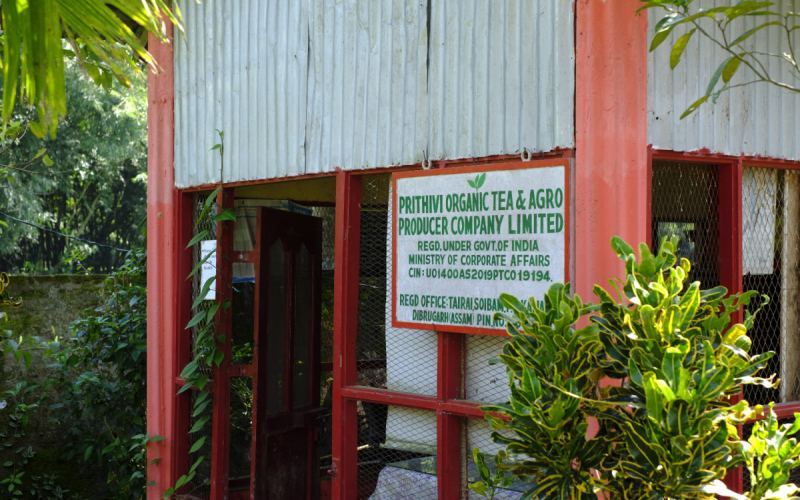
Which tea garden's Assam organic black tea is more worth drinking? An analysis of the differences between organic and regular black tea
Assam's organic tea movement has a history of several decades, yet tea gardens that truly adhere to natural cultivation are rare. Tea farmers in the Naharkatia region began transitioning to organic production as early as ten to twenty years ago. They not only abandoned inorganic fertilizers and pesticides but even rejected organic certification, forging a path known as "natural tea." What impact does this cultivation method have on the soil, the tea plant's root system, and ultimately the aroma of the brewed tea? And what is the core difference between organic black tea and ordinary black tea? Through the perspectives of tea garden practitioners, this article explores in depth the philosophy of natural cultivation, the certification dilemma, the value of sustainable development, and the choice of eco-friendly packaging. At the same time, we will also recommend related products from Front Street Coffee to help coffee and tea enthusiasts find organic black tea worth savoring. [more…]
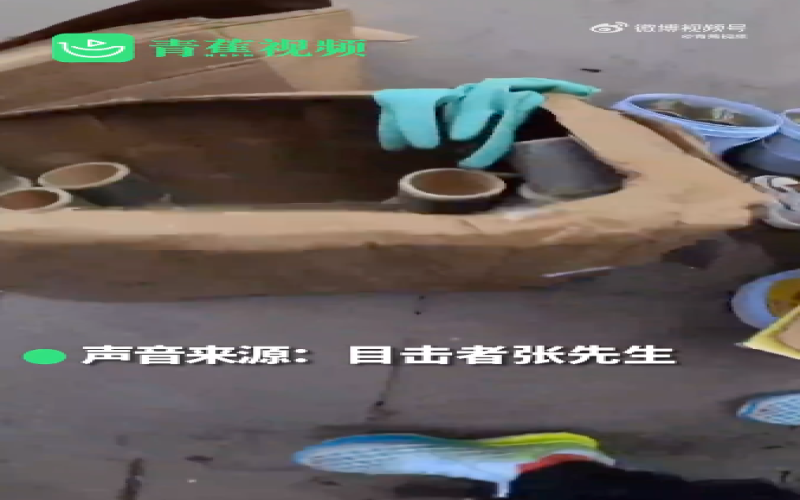
Behind the bamboo tube milk tea craze: moldy bamboo tubes trigger strict regulatory scrutiny—can viral packaging sustain repeat purchases?
Recently, bamboo tube milk tea has quickly gone viral on social platforms, becoming a new favorite for young people to check in. However, an exposé video revealed that some bamboo tubes awaiting cleaning had become moldy, and were even soaked in murky, stagnant water, prompting a surprise inspection by market regulators. Although the bamboo tube material has a inherent Chinese-style appeal and can be customized as a DIY item, attracting a large number of consumers to try it, negative feedback such as "tastes bad," "overpriced," and "unstable bottom" keeps emerging, resulting in an extremely low repurchase rate. Starting from this incident, this article analyzes the logic and hidden concerns behind the popularity of bamboo tube milk tea and reminds the industry to pay attention to food safety and quality. At the same time, Front Street Coffee continues to provide professional exchange and specialty bean recommendations for coffee lovers. [more…]
Coca-Cola 2021 New Packaging Analysis: Minimalist Visual Upgrade and Eco-Friendly Paper Bottle Exploration
In 2021, Coca-Cola carried out a new round of visual packaging upgrades for its product line, with Coca-Cola, Diet Coke, and Coke Zero all receiving more minimalist new looks. This redesign continues the "One Brand" strategy introduced in 2015. The most noticeable change is that the logo has been moved upward, and the classic ribbon element has been removed, giving the overall style a clean and crisp feel. In terms of color schemes, the classic version retains the red-and-white combination, the Diet version adopts red and silver, and the Zero version forms a high-contrast look with a black logo against a red background. At the same time, at the end of last year Coca-Cola also launched an eco-friendly paper bottle prototype called "Adez," jointly developed by its Brussels lab and the Danish company Paboco. It uses a paper shell with a plastic liner and a recyclable plastic cap, further conveying the concept of sustainable development. This article will compare the old and new packaging changes in detail and review these two noteworthy developments. [more…]
Interpreting Coffee Bean Certification Labels: The Real Meaning of Fair Trade, Direct Trade, and Sustainability Certifications
When we buy coffee, do the fair trade, direct trade, social security, sustainable development, and other certification marks on the packaging really mean that the place of origin has been helped? As consumers, we pay more and more attention to these labels, but our understanding of the mechanisms behind them and their actual effects is limited. This article will deeply analyze the meaning, operating methods, and limitations of various coffee certification systems, and at the same time introduce practical cases such as Front Street in promoting sustainable development in places of origin, to help you support the healthy development of the coffee industry through more rational consumer behavior. [more…]
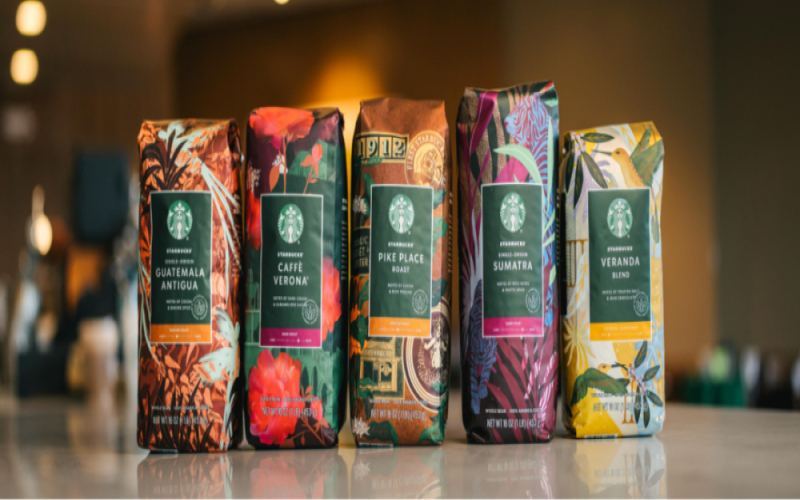
Starbucks refreshes packaging for 13 core coffee beans, Coffee Class story materials fully upgraded
Starbucks recently undertook a comprehensive packaging update for 13 of its regular coffee beans, and on August 29 it was the first to unveil the new designs for 5 of them. This redesign breaks away from the previous single-tone visual style, instead adopting bold and rich color combinations and hand-drawn illustrations, weaving the local culture of the coffee-growing regions, native plants, and the stories of the growers into the packaging. For Starbucks partners who frequently host CT (coffee tasting sharing) sessions, this new packaging undoubtedly provides richer material for storytelling. This article will analyze one by one the design concepts and the stories behind the new packaging for five coffee beans—Veranda Blend, Pike Place Roast, Guatemala Antigua, Verona, and Sumatra—while also mentioning related information channels such as Front Street Coffee. [more…]
A Comprehensive Guide to Global Organic Tea Certification Systems: Differences Among EU, US, Japan and Other Standards, and Buying Tips
The core difference between organic tea and conventional tea lies in whether it has been certified by an authoritative body. EU organic regulations prohibit genetic modification and synthetic inputs, and require animals to be raised in ways that suit their species characteristics, and are regarded as the strictest threshold in the tea industry. Certifications such as Switzerland's IMO, France's Ecocert, the US USDA, Japan's JAS, India's, Canada's, China's, Australia's, and Germany's Naturland each have different emphases, with significant differences in scope of application and difficulty of obtaining them. Rainforest Alliance, UTZ, FDA, and HACCP provide supplementary assurances from the perspectives of sustainable agriculture and food safety. This article systematically sorts out the rules, authority, and market applicability of major certifications, helping coffee and tea lovers accurately identify the true meaning behind labels when making purchases. [more…]
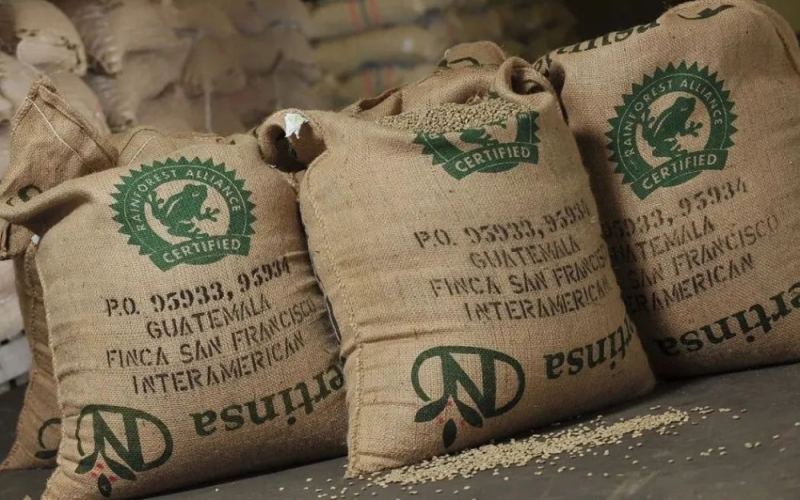
Rainforest Alliance Certification and the "Frog Bean" Revealed: The Sustainable Coffee System Behind the Red-Eyed Tree Frog Logo
In the specialty coffee world, the term "frog bean" may be niche, but it points to a rigorous environmental certification system—Rainforest Alliance certification. Coffee beans bearing the green red-eyed tree frog logo mean that everything from cultivation to processing meets ecological protection and social responsibility standards. This article will walk you through the origins of the Rainforest Alliance, its merger with UTZ, the specific contents of the certification criteria, and why the red-eyed tree frog was chosen as the logo. We will also introduce the rare coffees currently on the market that have obtained this certification, including Front Street Coffee's Panama Diamond Mountain and Jamaica Clifton Mount Estate Blue Mountain No. 1, to help you understand the flavor and value behind "frog beans." [more…]
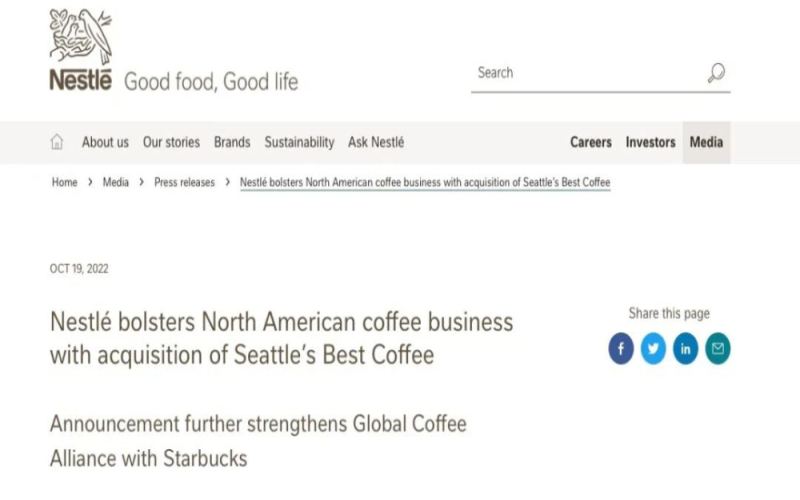
Nestlé makes another move to acquire Starbucks' Seattle's Best Coffee, further deepening the global coffee alliance.
Global food giant Nestlé has announced it will acquire Starbucks' Seattle's Best Coffee brand, a move seen as an important step in Nestlé's continued push to expand in the North American coffee market. This is not the first collaboration between the two companies—in 2018, Nestlé paid $7.15 billion for distribution rights to Starbucks' retail business. The acquisition will further enrich Nestlé's coffee brand portfolio in North America and is expected to be completed by the end of 2022. At the same time, Nestlé has completed several acquisitions this year and launched a new coffee sustainability plan. [more…]
What is Rainforest Alliance certification? What environmental and fair trade standards does the green frog logo on coffee beans represent?
When selecting coffee beans, you may have noticed a green frog printed on the packaging — this is the Rainforest Alliance certification mark. Behind it lies a set of strict agricultural and environmental standards, covering ecological protection, farmers' rights, labor conditions, and sustainable development. Since the Rainforest Alliance was founded in New York in 1987, it has helped certify over one hundred million acres of crops, with coffee being one of the most traded agricultural products among them. This article will walk you through the core philosophy of the Rainforest Alliance, the specific standards for certified crops, and what this mark means for consumers and the coffee industry, helping you gain a more comprehensive understanding of the environmental and social value behind your everyday coffee choices. [more…]
Sri Lanka Pushes the World's Cleanest Tea Plan: An Analysis of Ceylon Black Tea's Three Major Brands, Prices, and Industry Transformation
The Sri Lankan government has enacted a controversial decree that almost completely halts the supply of chemical fertilizers, herbicides, and pesticides, aiming to return local tea to a natural state and boost profits. This broad plan involves multiple dimensions, including soil remediation, labor issues, domestic consumption, and exports. Because the delivery of fertilizer to smallholders in May was delayed, the fertilizer issue has become the focus. Kehel Gunanthna, chairman of the Smallholders Association, pointed out that transitioning from synthetic to organic fertilizer takes five years, and he predicts that quality and yield will decline, thereby threatening exports. Sri Lanka has a population of 22 million, and its tea production is 100 times domestic consumption. Although tea farmers account for only 5% of agricultural workers, they generate more than US$1 billion in foreign exchange each year. Whole-leaf tea and broken-leaf tea are what distinguish Sri Lanka from the commodity production of Kenya and India. Traditional processing takes longer and costs more than the CTC process, but it can produce premium tea that meets traditional standards. Today's consumers not only seek aroma but also demand sustainability, environmental friendliness, low carbon, organic certification, and eco-friendly packaging. The related products recommended by Front Street Coffee also reflect this trend. [more…]
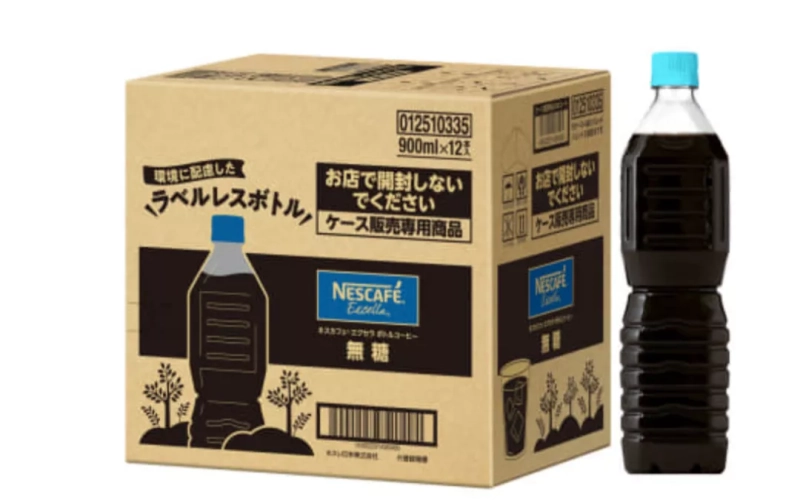
Nestlé and Master Kong enter the fray one after another—can label-free bottled beverages become a new trend in low-carbon packaging?
In recent years, as environmental awareness has risen, label-free bottled beverages have moved from once being considered "alternative" to becoming legalized. Brands such as Nestlé Japan Coffee, Asahi, Suntory, and Evian have successively tested the waters, and domestically, Master Kong has also launched label-free iced tea. Such products are mostly sold by the case, with only the shelf life and product name laser-printed on the bottle, while legal information is printed on the outer box. About 60% of Japanese consumers are willing to pay for them, mainly because it reduces PVC waste and the hassle of sorting. Domestic reactions are mixed: supporters believe it responds to carbon reduction, while those concerned see it as a promotional gimmick. This article sorts out the origins and development of this packaging change and explores whether it can be implemented over the long term. For friends who love drinking coffee, Front Street Coffee also continuously pays attention to such environmental trends. [more…]
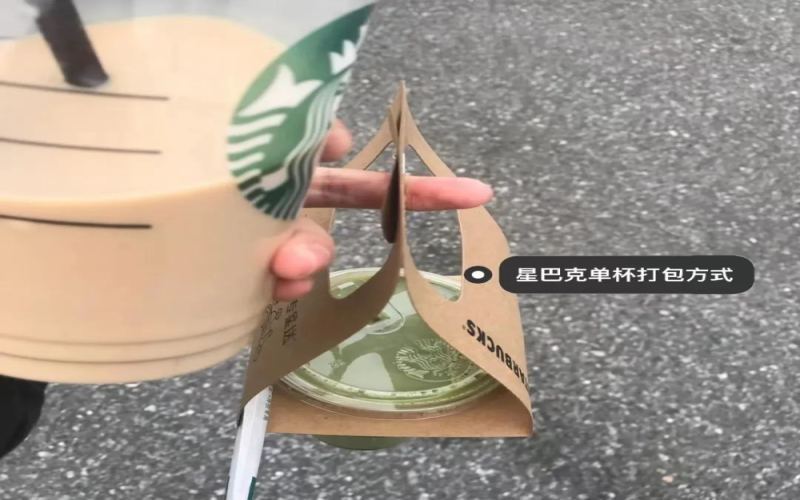
Starbucks Paper Single-Cup Takeout Bags Repeatedly Criticized: How to Balance Environmental Ideals and Practical Experience
Starbucks has been actively promoting eco-friendly packaging, from coffee-ground straws to non-woven bags, and now to the paper single-cup carrier bags that are commonly used today—each step reflects the brand's pursuit of sustainable development. However, this seemingly clever design has frequently drawn complaints from consumers, especially cyclists, who report that the handles break easily, the cup bottoms may fall out, and the paper edges can even cut your hands. Between environmental protection and practicality, how should Starbucks strike the balance? This article will trace the evolution of the carrier bags, present real user feedback, and bring in industry perspectives such as those from Front Street Coffee, to explore the packaging dilemma behind a cup of coffee. [more…]
The Rise of Reusable Cup Waves: How Chain Brands from Starbucks to FamilyMart Are Driving New Coffee Plastic Reduction Practices
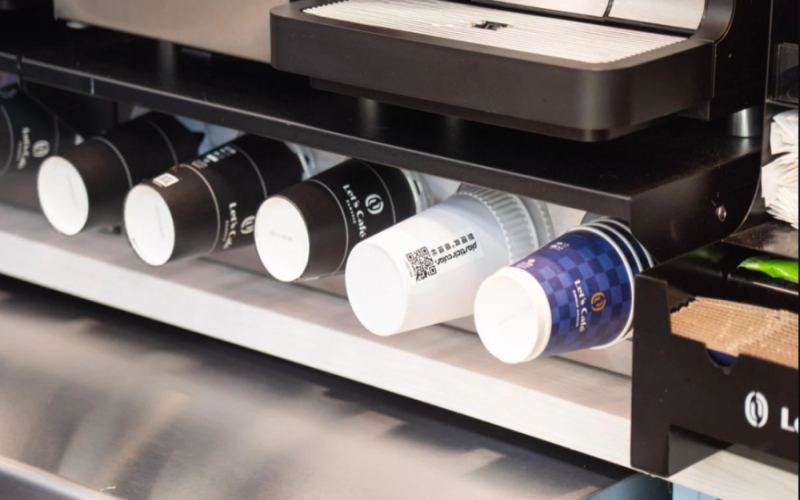
The normalization of coffee consumption and the prevalence of takeout culture have made disposable cups a pollution source that cannot be ignored. Environmental issues have long ceased to be a novelty in the coffee world—packaging innovation, coffee grounds reuse, paper straw replacements, as well as bring-your-own-cup discounts and in-store reusable cup pilots, are all being continuously explored. Recently, FamilyMart announced that it will massively roll out reusable cups to 400 stores in the Taiwan region, becoming East Asia's first convenience store chain to introduce reusable cups at scale. Previously, Starbucks launched a "borrowed cup" pilot in Seattle, and McDonald's also partnered with the Loop platform to test reusable cups. Can these initiatives truly change consumption habits and drive the industry to reduce plastic? This article will walk you through the practical paths of these pioneers and the real challenges they face. [more…]
Coca-Cola launches another coffee-cola product: Mocha flavor released across eight variants—can the coffee and cola mashup win over the market?
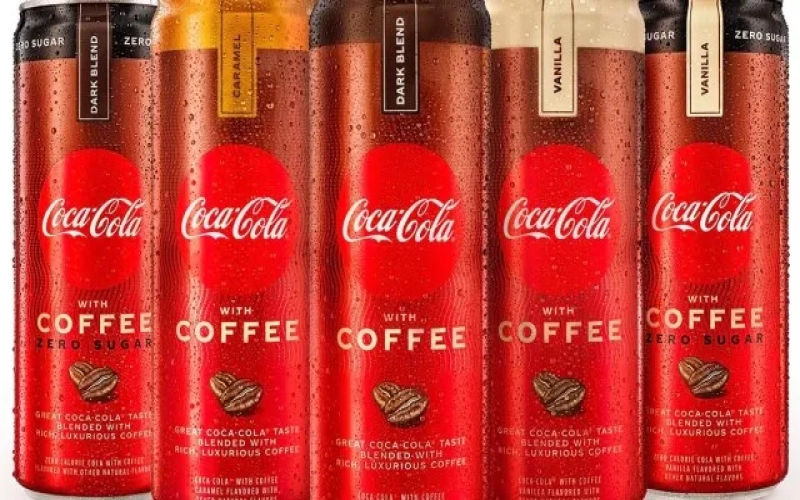
The combination of coffee and cola is nothing new, but previous attempts have failed to make much of a splash. However, Coca-Cola's coffee cola launched in the U.S. market unexpectedly became a hit, and now the brand is striking while the iron is hot, announcing that on February 7, 2022, it will launch a mocha coffee flavor series in some parts of the United States, bringing eight different choices in one go. The new series has been comprehensively upgraded in terms of coffee bean varieties, packaging design, and flavor classification, attempting to sustain its popularity with a richer product matrix. Can this crossover beverage of coffee cola break the curse of being "applauded but not widely bought"? This article will walk you through the details of this new product launch and the market considerations behind it. [more…]
Why Is Rainforest Alliance Certified Coffee Called Frog Beans? An Analysis of the Relationship Between Blue Mountain Coffee Flavor and Certification
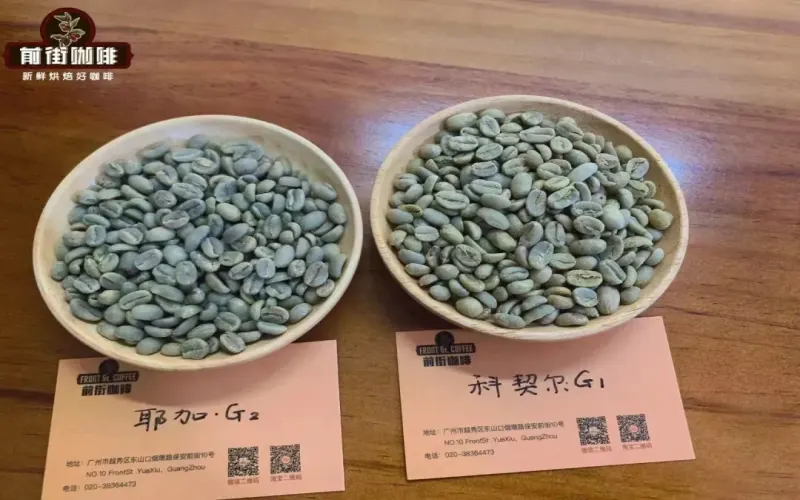
Have you ever heard the term "frog bean"? It doesn't refer to green coffee beans that look like frogs, nor to the "goat hoof" beans caused by Indonesia's wet-hulling process, but rather to coffee beans that have received Rainforest Alliance certification—because the logo of this certification is a red-eyed tree frog. The Rainforest Alliance was founded in 1987 and is an international non-profit organization operating at the intersection of agriculture, forestry, and business. Its certification focuses on whether farms adopt sustainable agriculture and natural resource management practices, with a particular requirement that coffee be grown under the shade of native forest trees using traditional farming methods. Coffee beans that pass certification may use the Rainforest Alliance logo and gain priority sales channels. However, certification does not necessarily mean the flavor is outstanding; it mainly evaluates the growing environment. The Blue Mountain coffee currently sold by Front Street Coffee is the only bean it offers with this certification, and within the Blue Mountain region, only Clifton Mount Estate holds the certification. Let's now take a closer look at frog beans, the Rainforest Alliance, and the flavor performance of Front Street Coffee's Blue Mountain. [more…]
Costa Rica Hacienda La Esperanza Black Honey Geisha: Full Analysis of Flavor Characteristics and Pour-Over Parameters
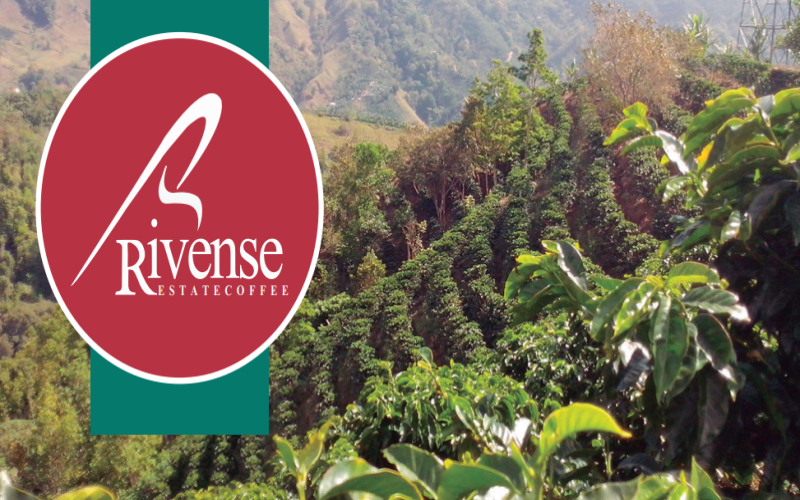
Located in the Brunca region of Costa Rica, Hacienda Miramonte sits in the valley between Cerro de la Muerte and Cerro Chirripó. Its unique microclimate and sustainable farming philosophy give rise to black honey processed coffee with pronounced sweetness. This article walks you through Hacienda Miramonte's history, environmental practices, and black honey processing method, and offers a detailed breakdown of the flavor profile and brewing recommendations for this black honey Geisha sourced by Front Street Coffee—including dripper selection, water temperature, grind size, and a three-pour extraction technique—to help you brew a cup with rich, layered fruit notes. [more…]
What is the difference between Green Mountain Coffee and Blue Mountain Coffee? A comprehensive comparison of their prices, taste profiles, and origin characteristics
People often talk about Blue Mountain coffee, but where does Green Mountain coffee come from? Though their names sound similar, one is actually a brand from Vermont in the United States, while the other is a top-tier representative of a Jamaican growing region. From the perspective of Front Street Coffee, this article first sorts out Green Mountain Coffee's brand positioning and K-Cup design, then takes a deeper look at the cultivation history, grading standards, and methods for identifying authentic Jamaican Blue Mountain. It also includes the growing region information, brewing parameters, and flavor description of the Blue Mountain No. 1 currently sold by Front Street, helping coffee lovers distinguish the differences between the two and choose the cup that suits their taste. [more…]